


Optical Binocular Biological Educational Microscope with LCD Screen
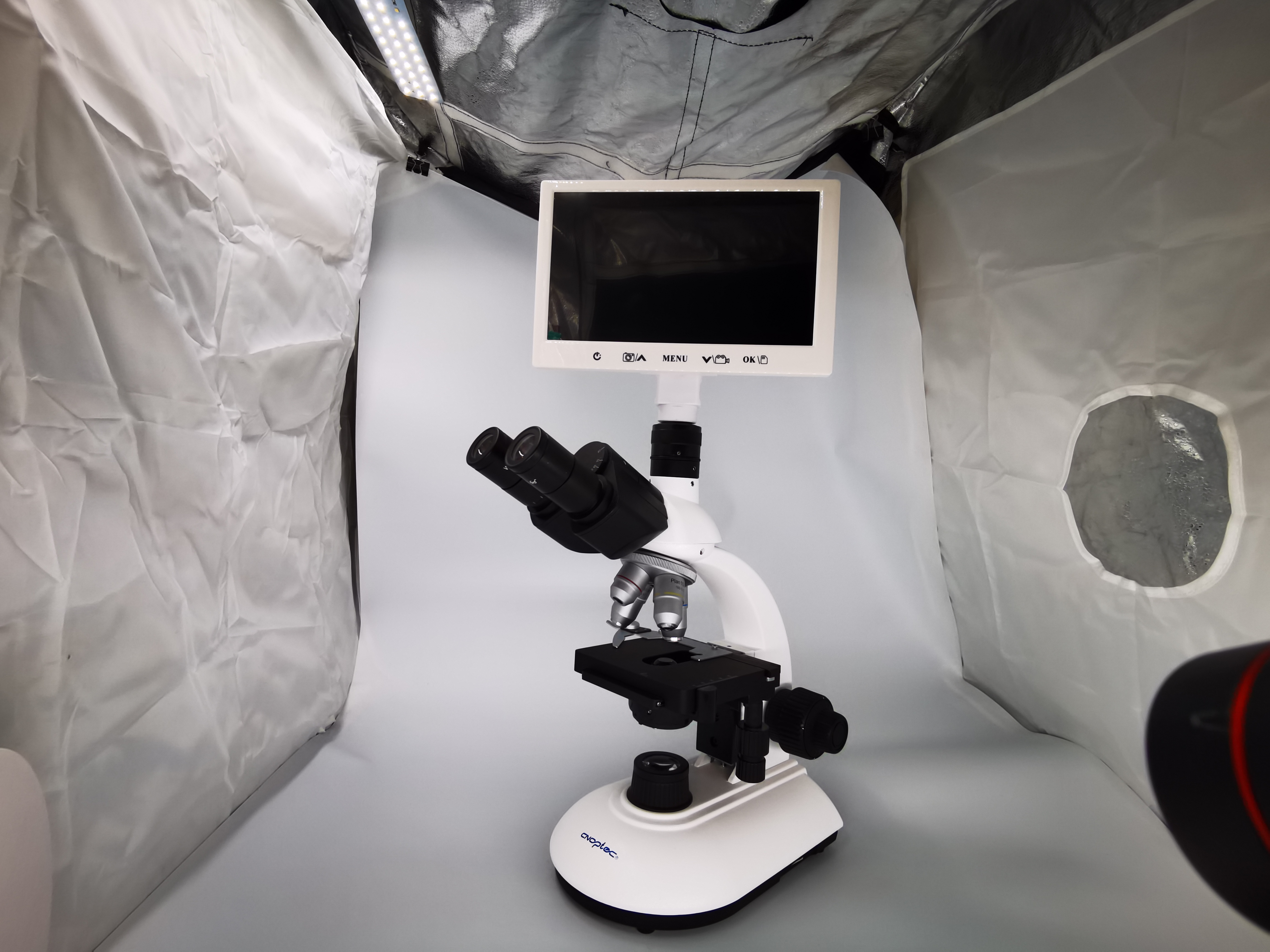
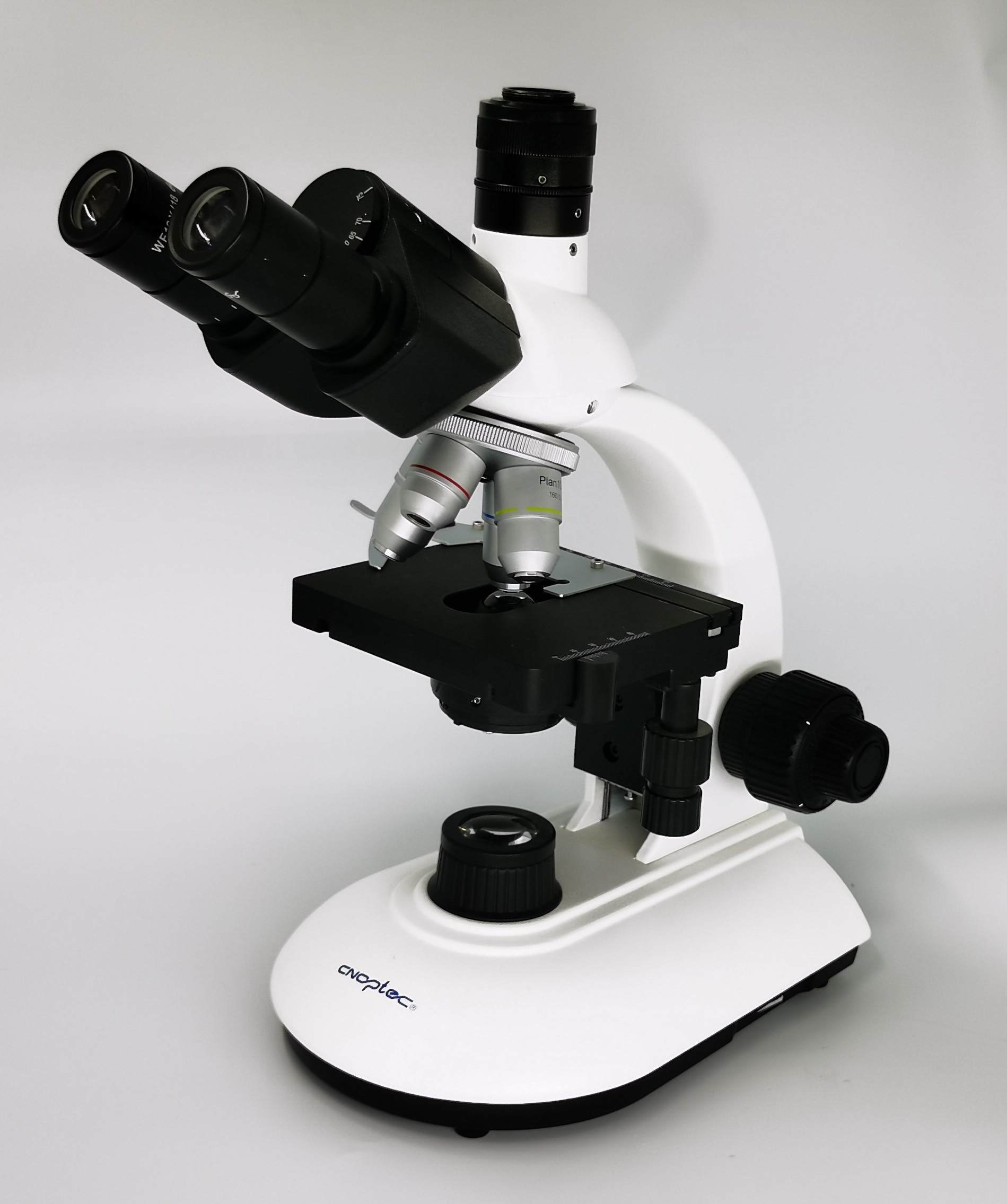
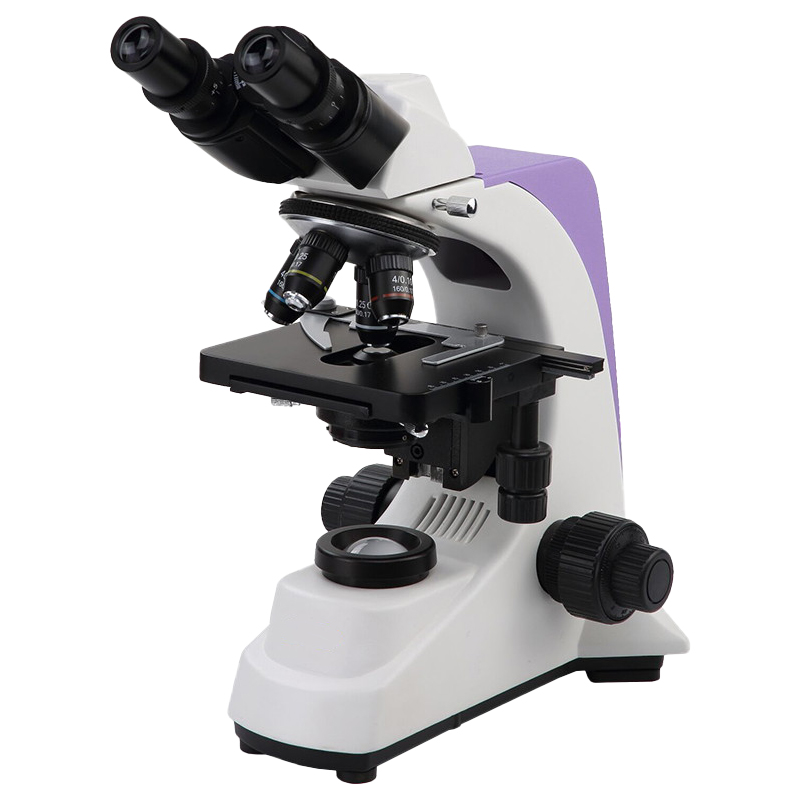
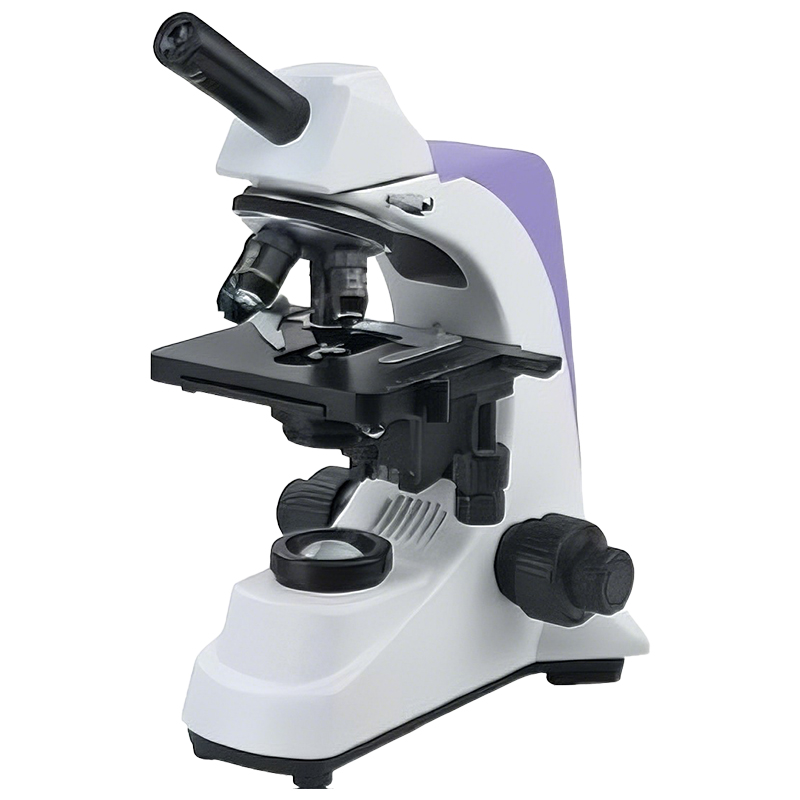
Student Biological Microscope, Plan, Binocular
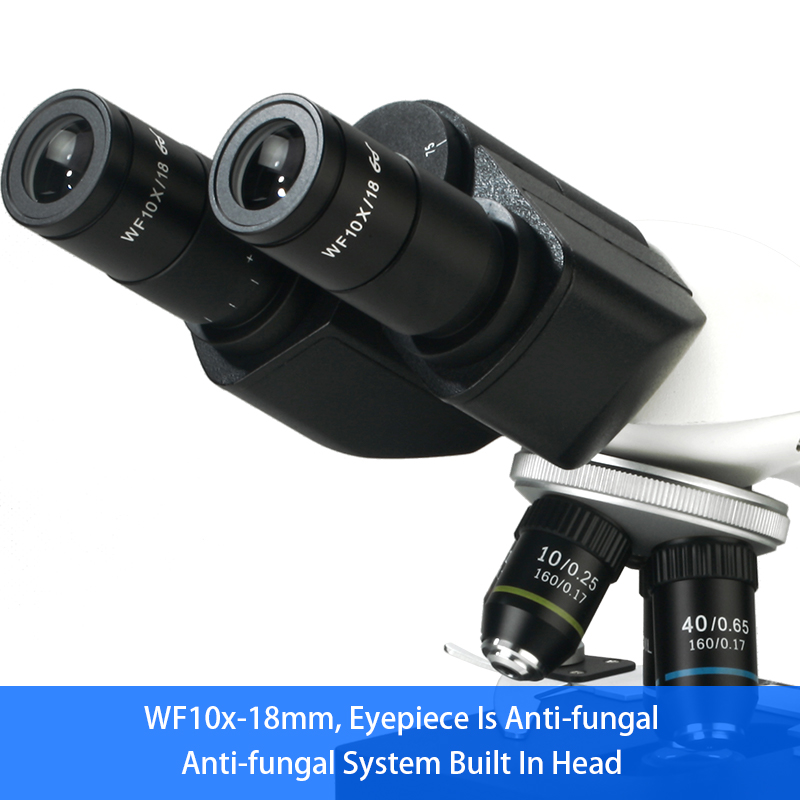
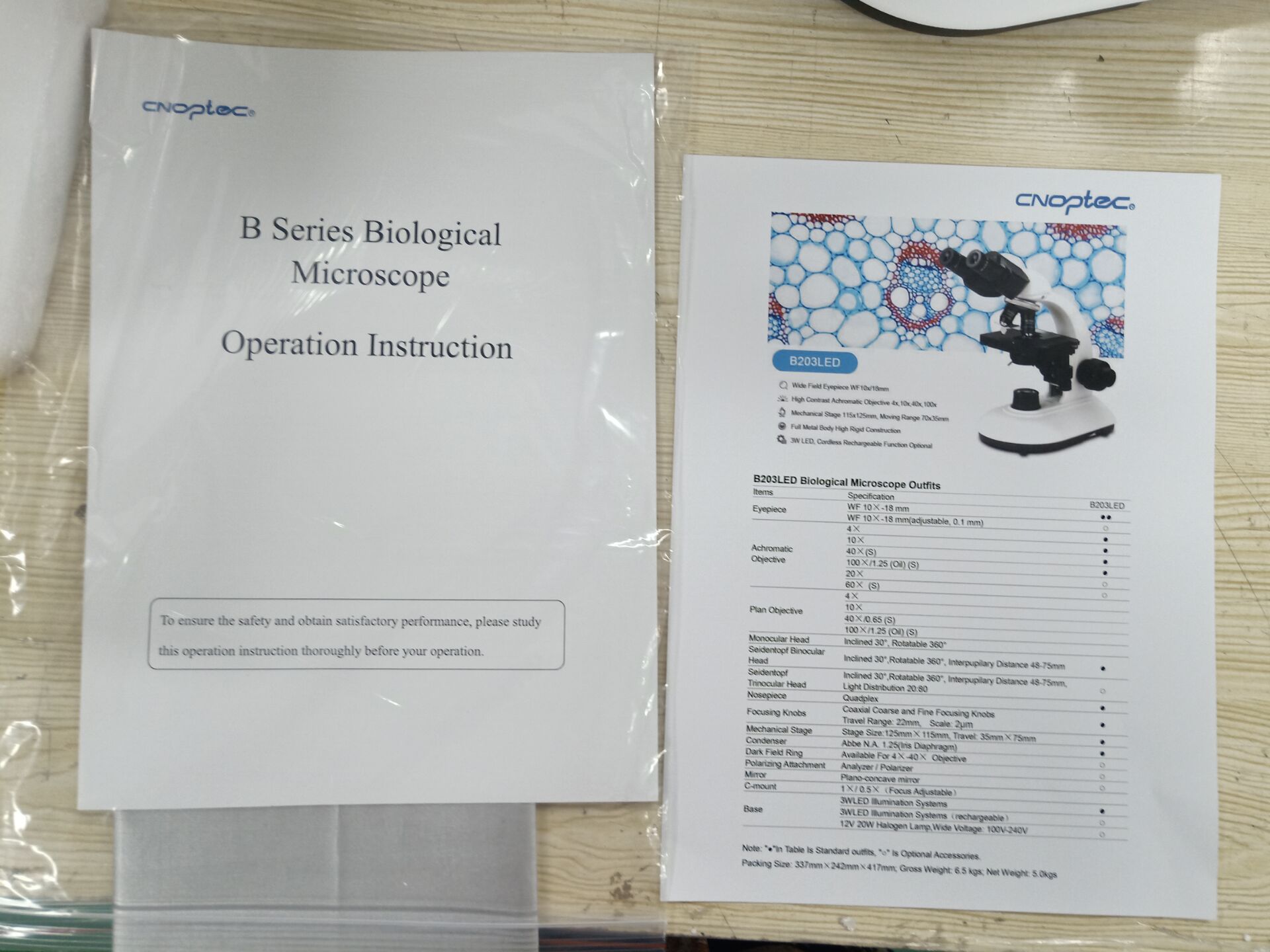
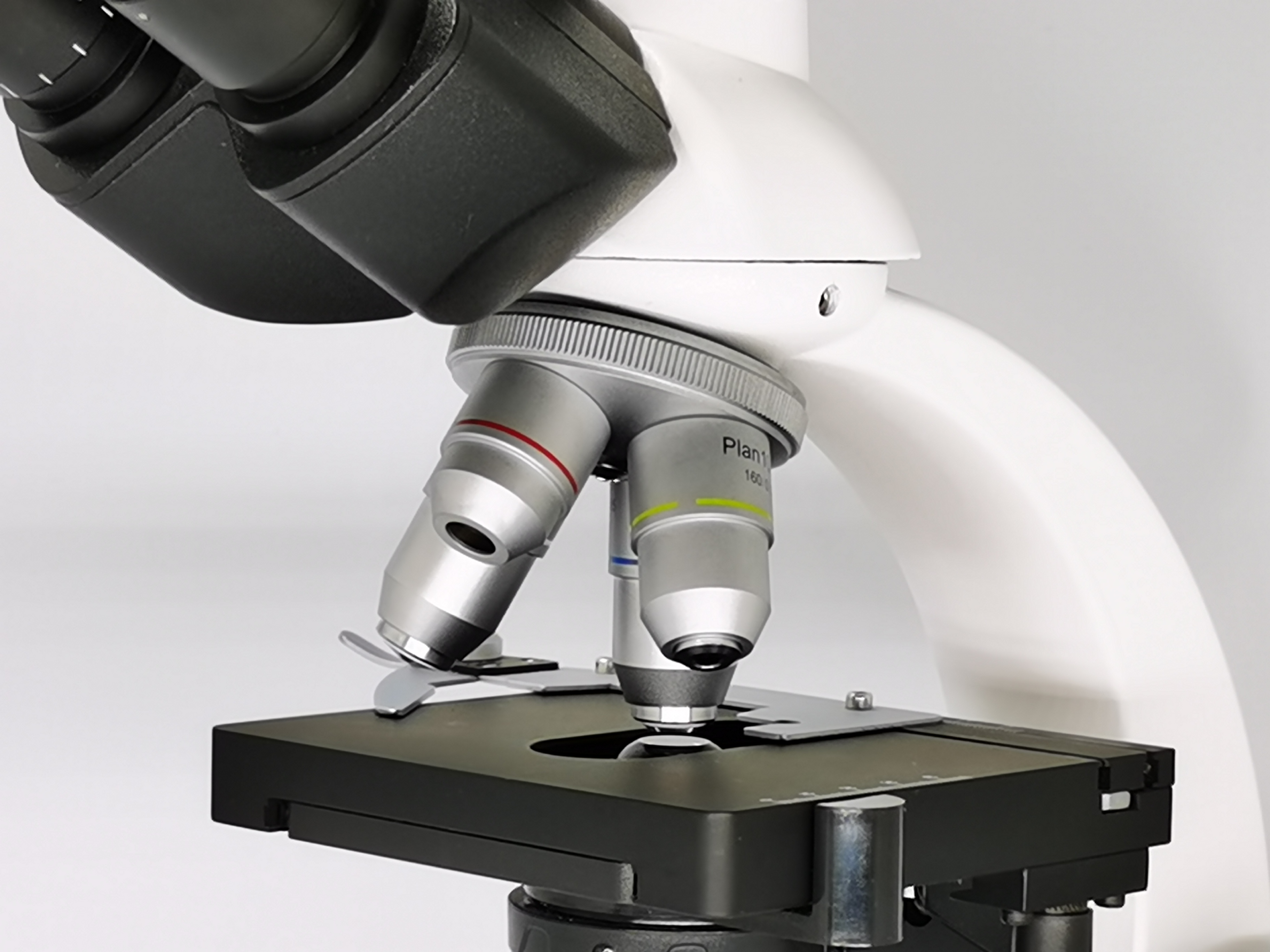
Wide Field Eyepiece WF10x/18mm, High Contrast Plan Achromatic Objective 4x,10x,40x,100x
Double Layers Mechanical Stage 115x125mm Moving Range 70x35mm
Full Metal Body High Rigid Construction For Long Working Life Time
3W LED Illumination With Cordless Rechargeable Function Optional
Powered By Safety Low Voltage Charger, Input Wide Voltage 100V-240V, Output 5V1A
Support Power Bank Supply For Outdoor Use
Wide Field Eyepiece WF10x/18mm, High Contrast Plan Achromatic Objective 4x,10x,40x,100x
Double Layers Mechanical Stage 115x125mm Moving Range 70x35mm
Full Metal Body High Rigid Construction For Long Working Life Time
3W LED Illumination With Cordless Rechargeable Function Optional
Powered By Safety Low Voltage Charger, Input Wide Voltage 100V-240V, Output 5V1A
Support Power Bank Supply For Outdoor Use
Quantity:
Send an inquiry
add to cart
Student Biological Microscope, Plan, Binocular
Wide Field Eyepiece WF10x/18mm, High Contrast Plan Achromatic Objective 4x,10x,40x,100x
Double Layers Mechanical Stage 115x125mm Moving Range 70x35mm
Full Metal Body High Rigid Construction For Long Working Life Time
3W LED Illumination With Cordless Rechargeable Function Optional
Powered By Safety Low Voltage Charger, Input Wide Voltage 100V-240V, Output 5V1A
Support Power Bank Supply For Outdoor Use
Wide Field Eyepiece WF10x/18mm, High Contrast Plan Achromatic Objective 4x,10x,40x,100x
Double Layers Mechanical Stage 115x125mm Moving Range 70x35mm
Full Metal Body High Rigid Construction For Long Working Life Time
3W LED Illumination With Cordless Rechargeable Function Optional
Powered By Safety Low Voltage Charger, Input Wide Voltage 100V-240V, Output 5V1A
Support Power Bank Supply For Outdoor Use
Head
WF10x-18mm, Eyepiece Is Anti-fungal, Anti-fungal System Built In Head
Objective
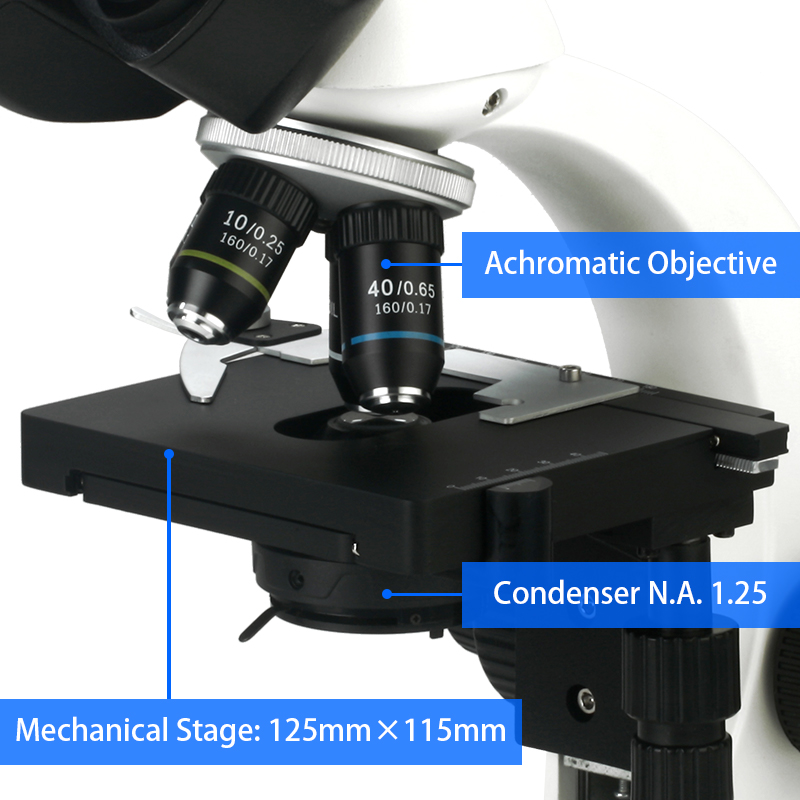
Achromatic Objective: 4x, 10x, 40x(s), 100x/1.25(oil)(s), Objective Is Anti-fungal
Working Stage
Mechanical Stage, Stage Size:125mm×115mm,Travel: 35mm×75mm
Abbe Condenser
N.A. 1.25, Adjustable Aperture, Aperture Center Is Adjustable, Built In Blue Filer, ф38.5mm
Focus
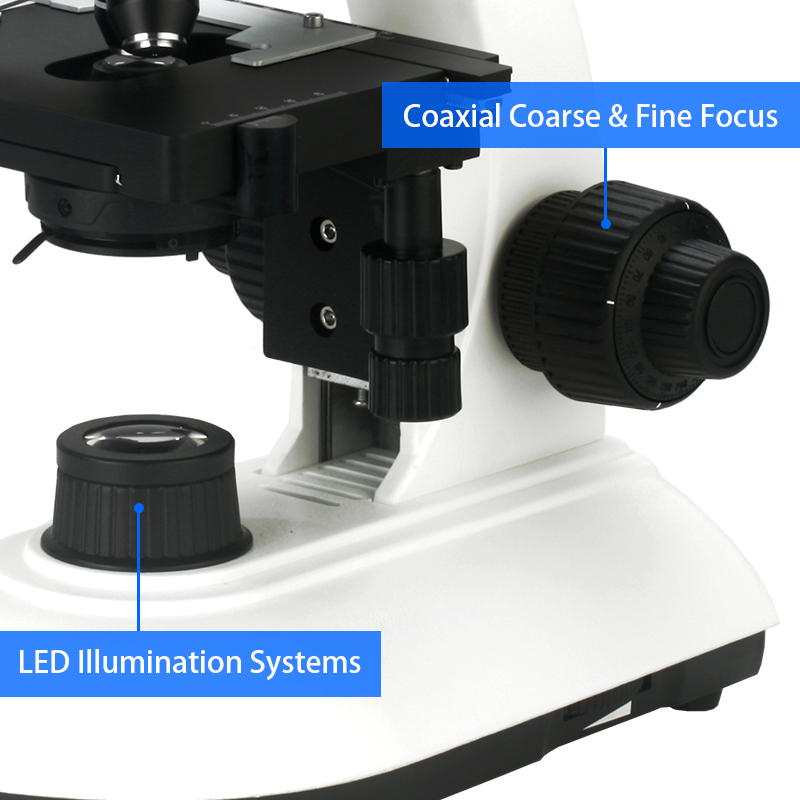
Coaxial Coarse & Fine Focus, Stage Moving Knob Can Move Stage Turn Left Or Right
Light Source
LED Illumination Systems (Non-rechargeable), Rotation Potentiometer With Power Switch
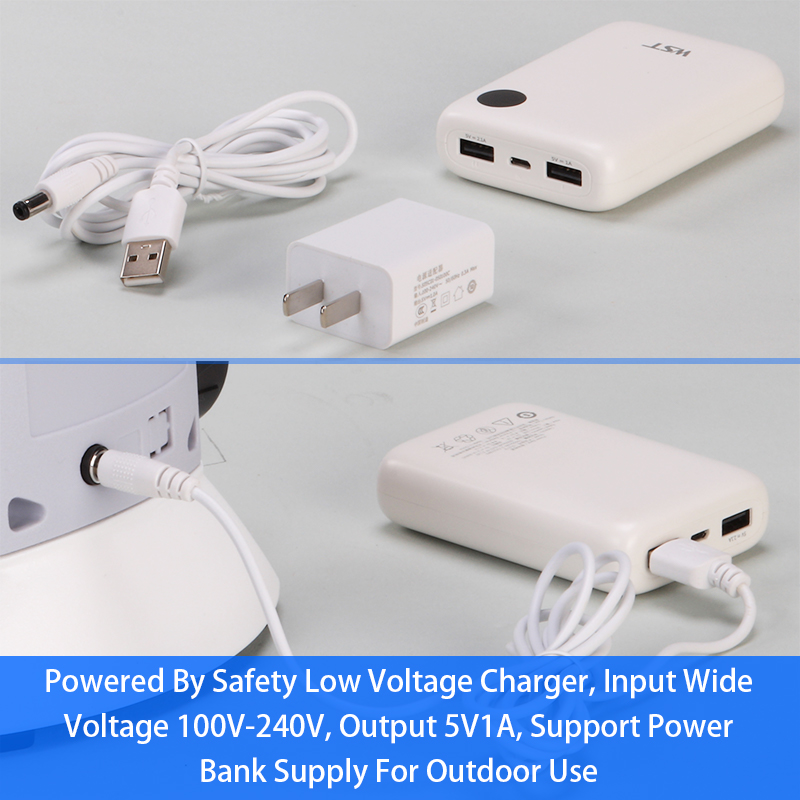
Powered By Safety Low Voltage Charger
Input Wide Voltage 100V-240V, Output 5V1A, Support Power Bank Supply For Outdoor Use
Other display
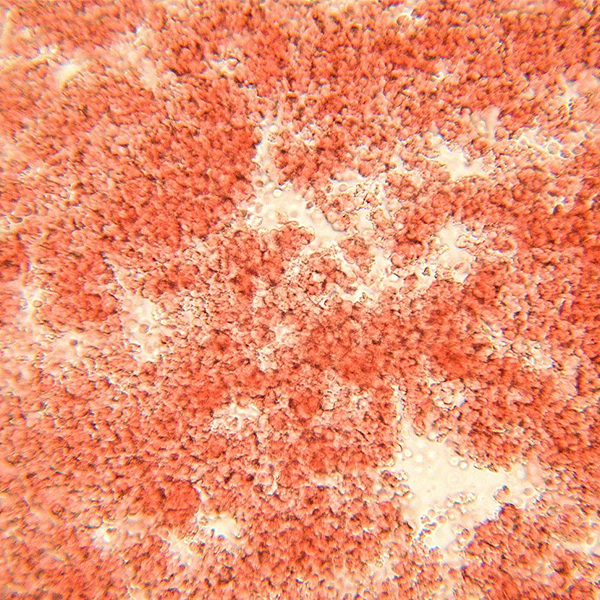
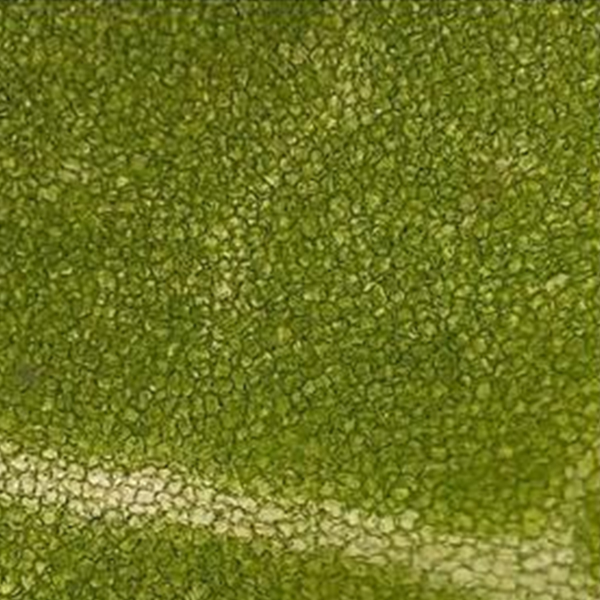
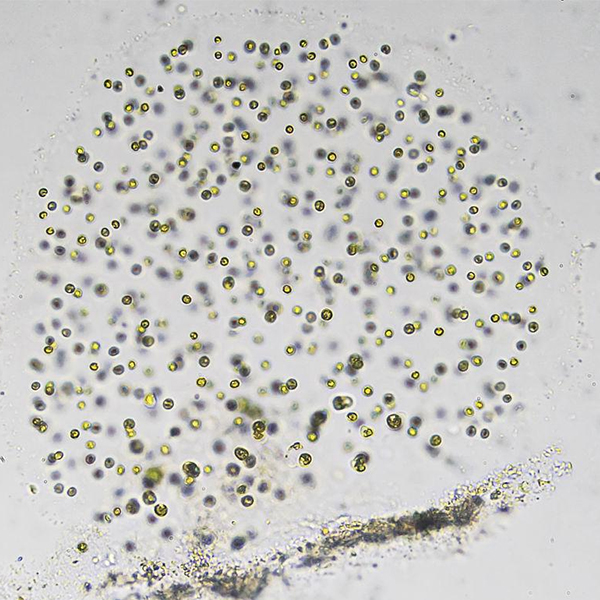
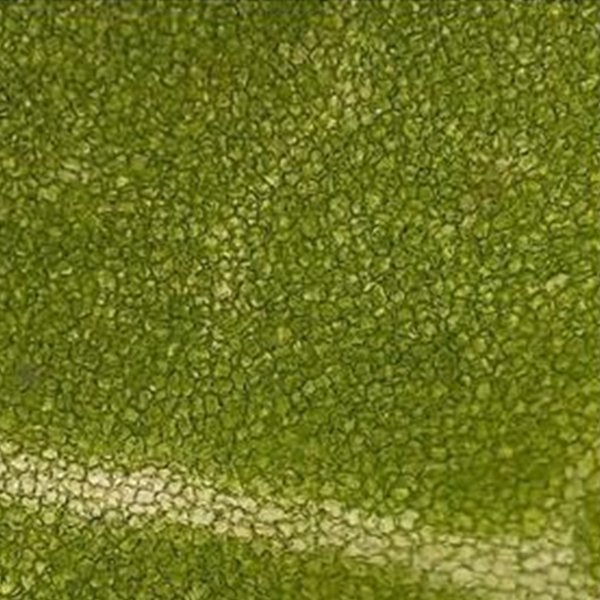
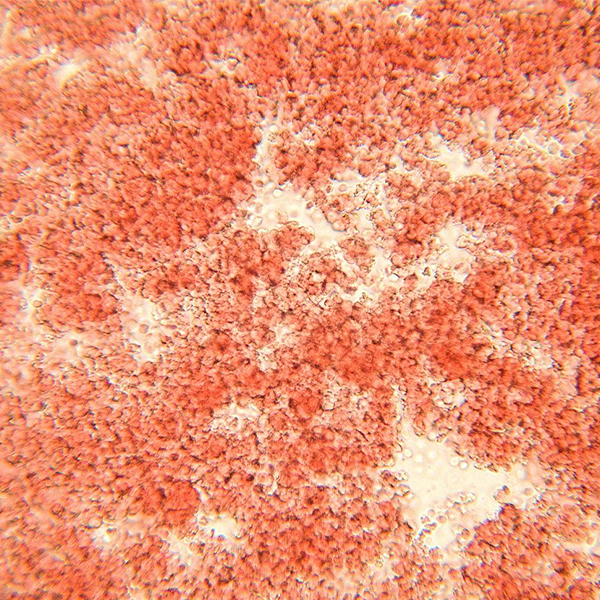
A biological microscope is an optical microscope used for observing biological samples, and it has a wide range of applications in multiple fields such as biology, medicine, and agriculture.In biological teaching demonstrations, teachers use biological microscopes to show students the structures and phenomena of the microscopic world, such as cells and microorganisms. This helps students understand biological knowledge and improves their learning interest and effectiveness. Students personally operate biological microscopes to conduct experiments, cultivating their observation ability and experimental skills. For example, by observing onion epidermal cells, human oral epithelial cells, etc., they can enhance their perceptual understanding of biological knowledge.


/5