

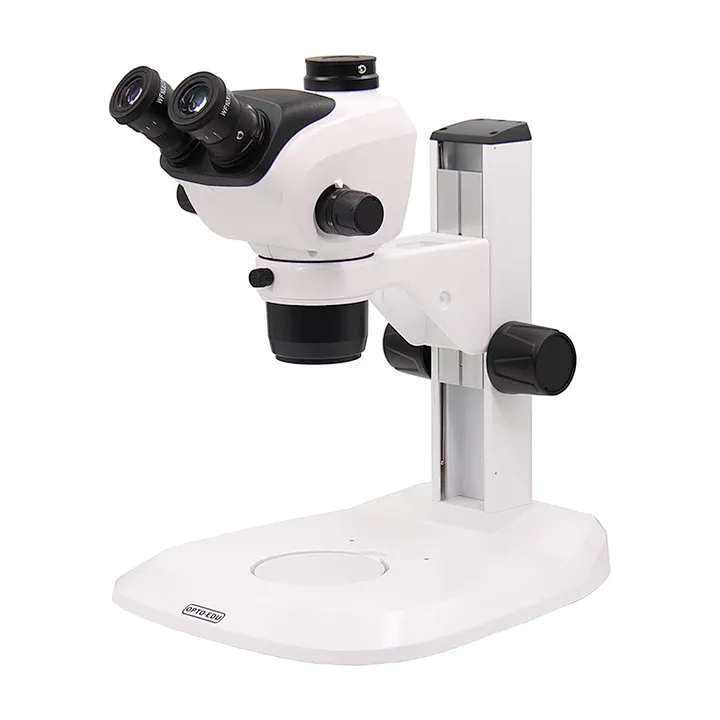

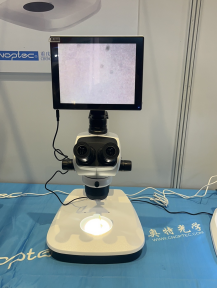
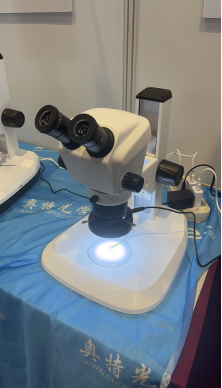
Zoom Stereo Microscope, 0.7-4.5x, 1:6.5, Binocular, No Llight
0.7~4.5x Zoom Lens, High Zoom Ratio 1:6.5, Outstanding Ergonomic Design
Total Magnification Up To 3.5x~180x (View Field 62.86~1.44mm) With Optional Eyepiece & Lens
Binocular Head 40° Viewing Angle With Large View WF10x/22mm Diopter Adjustable Eyepiece
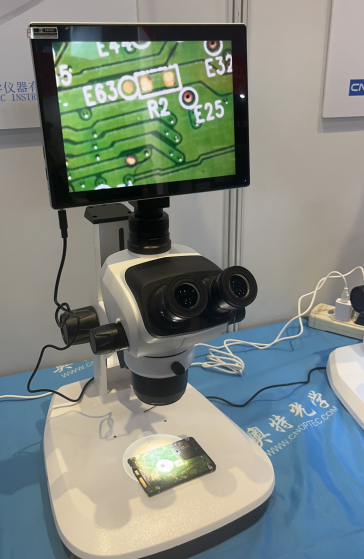
Auxiliary Lens 0.5x, 0.75x, 2.0x And Focus Adjustable CCD Adapter 1.0x, 0.7x, 0.5x Optional
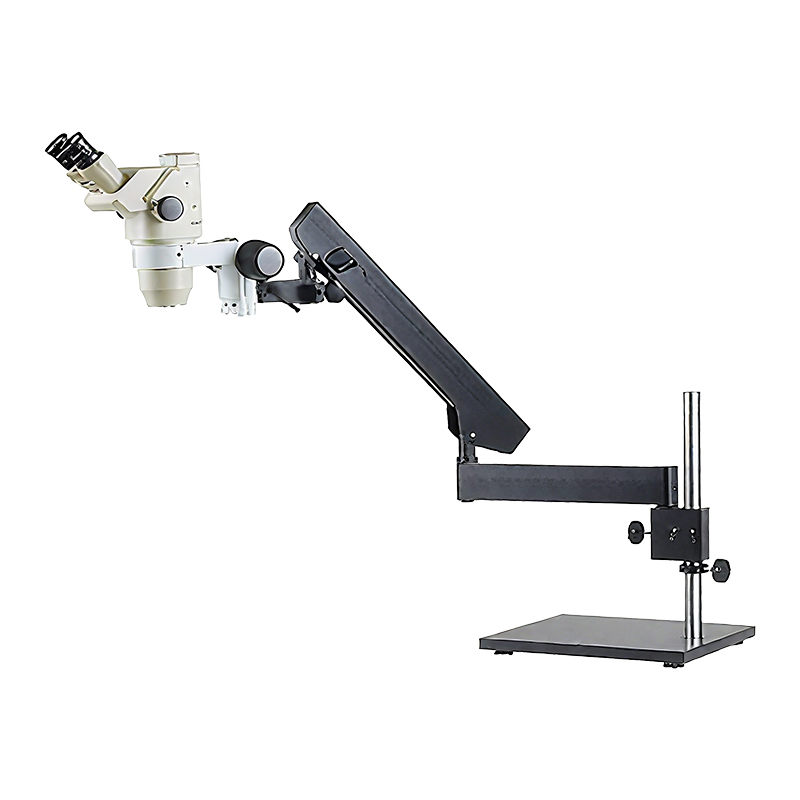
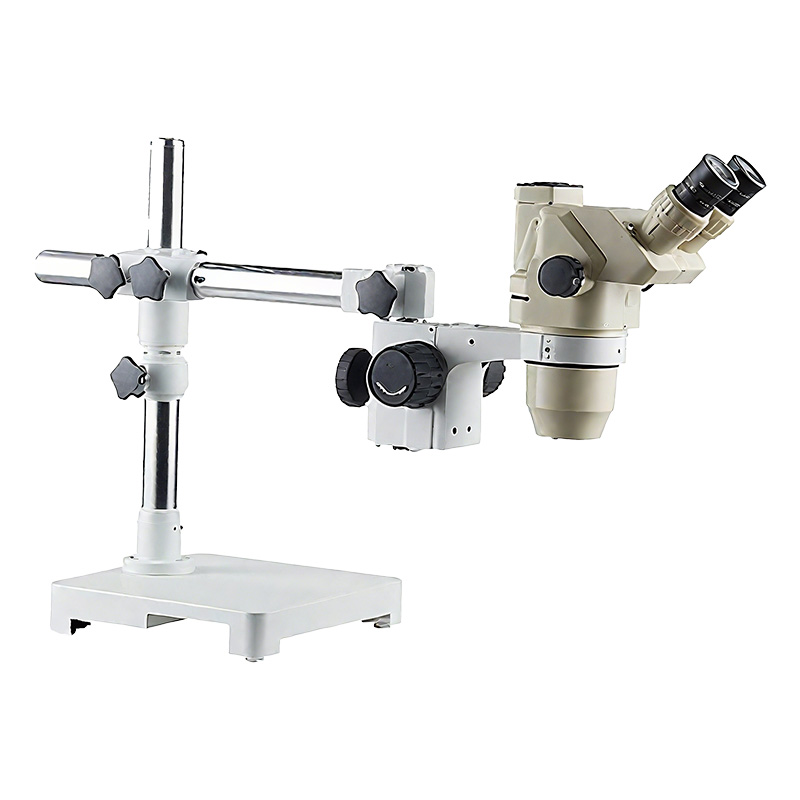
Large Track Stand 33x30cm High Stability, Reflect & Transmit 3W LED Light Available
Total Magnification Up To 3.5x~180x (View Field 62.86~1.44mm) With Optional Eyepiece & Lens
Binocular Head 40° Viewing Angle With Large View WF10x/22mm Diopter Adjustable Eyepiece
Auxiliary Lens 0.5x, 0.75x, 2.0x And Focus Adjustable CCD Adapter 1.0x, 0.7x, 0.5x Optional
Large Track Stand 33x30cm High Stability, Reflect & Transmit 3W LED Light Available
Quantity:
Send an inquiry
add to cart
Zoom Stereo Microscope, 0.7-4.5x, 1:6.5, Binocular, No Llight
- 0.7~4.5x Zoom Lens, High Zoom Ratio 1:6.5, Outstanding Ergonomic Design
- Total Magnification Up To 3.5x~180x (View Field 62.86~1.44mm) With Optional Eyepiece & Lens
- Binocular Head 40° Viewing Angle With Large View WF10x/22mm Diopter Adjustable Eyepiece
- Auxiliary Lens 0.5x, 0.75x, 2.0x And Focus Adjustable CCD Adapter 1.0x, 0.7x, 0.5x Optional
- Large Track Stand 33x30cm High Stability, Reflect & Transmit 3W LED Light Available
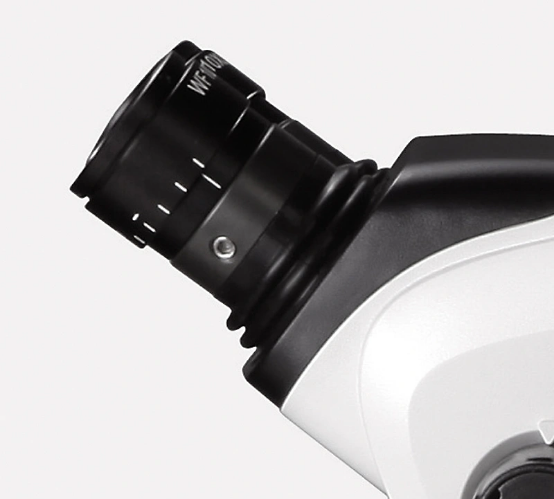
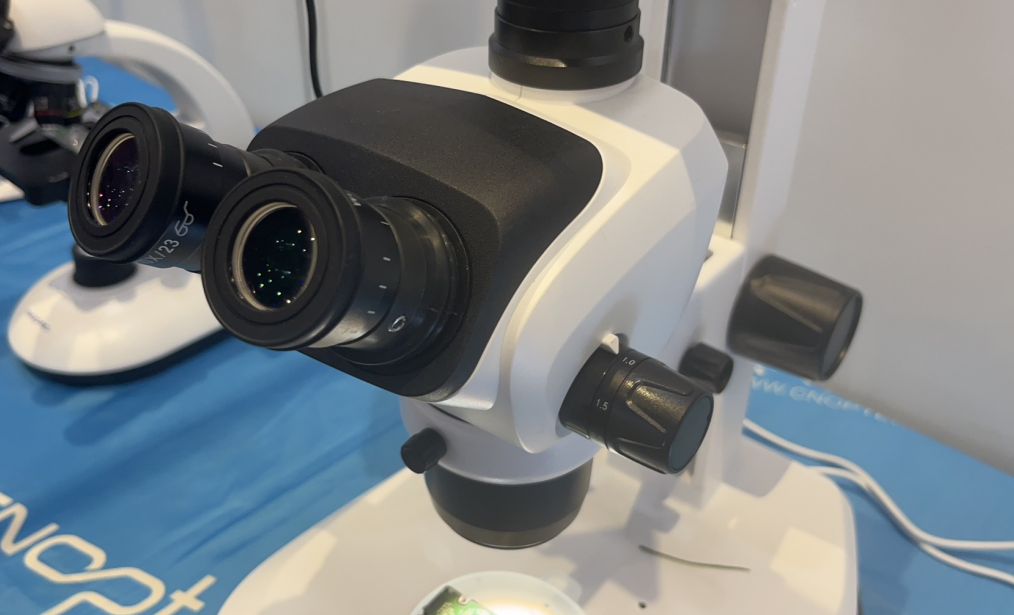
Eyepiece
The diameter of the eyepiece tube is 30 mm. It features a high eyepoint design and is diopter adjustable.
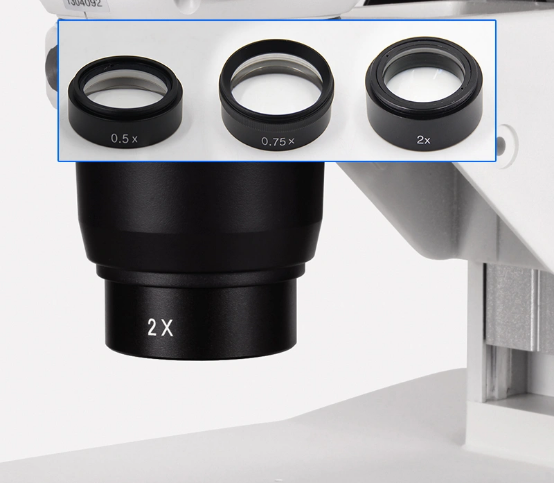
Zoom Lens
Equipped with auxiliary lenses of 0.5x, 0.75x, and 2.0x to achieve higher magnification levels.
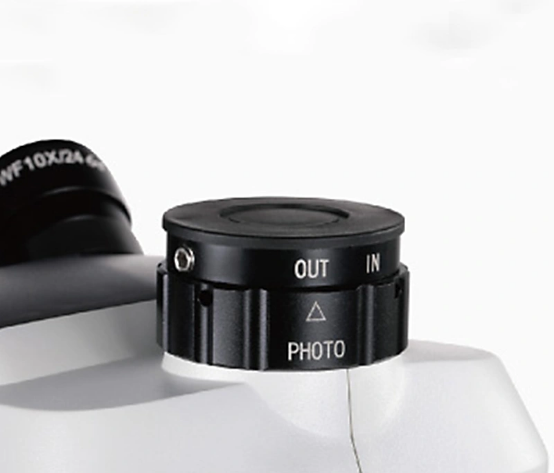
Trinocular Inclined 35°, Light Split Switch E100:P0/E0:P100
Switch between video output and input by rotating, with 100% light distribution.
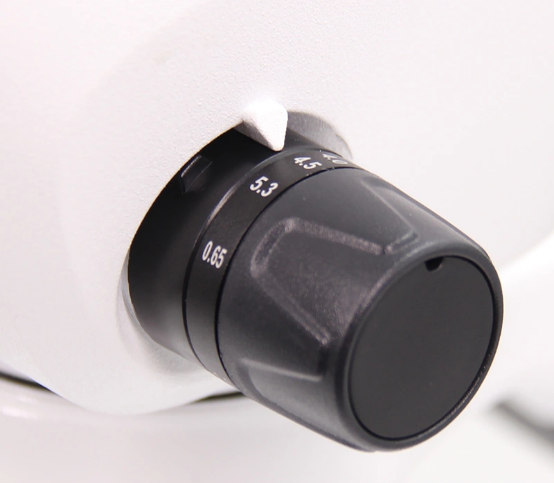
Zoom Knob
The zoom knob is equipped with a magnifying stop pin, enabling users to set the zoom range according to their own preferences.
Up/Bottom 3W LED
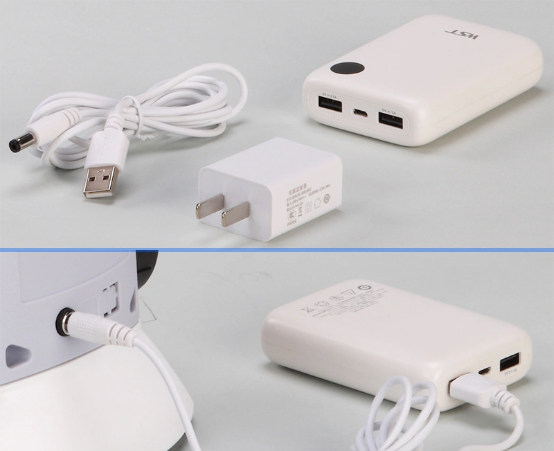
Powered By Safety Low Voltage Charger
Powered By Safety Low Voltage Charger
Input: Wide voltage range of 100V-240V. Output: 5V, 1A. It supports power supply from a power bank, making it suitable for outdoor use.
Other display
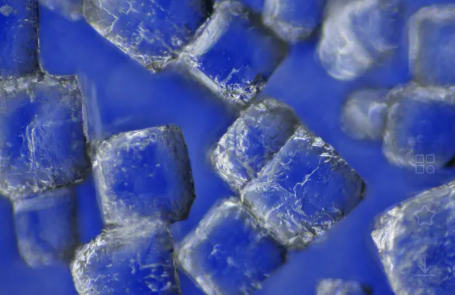
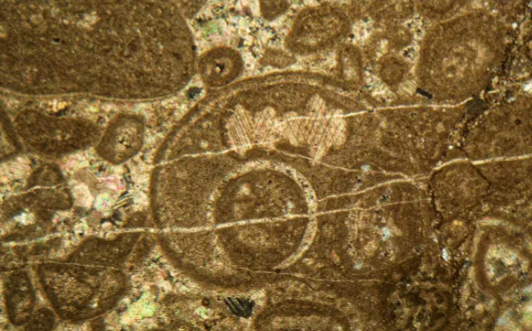
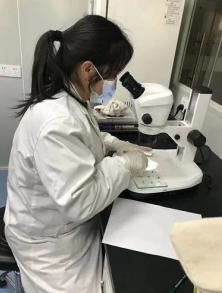
The stereomicroscope receives light from different angles through two eyepieces respectively, enabling the observer to see a three-dimensional stereoscopic image of the object. This stereoscopic visual effect helps to observe the surface morphology, structure and details of the object more accurately, and is of great importance for applications that require an understanding of the spatial form of the object. For example, in biology, it is used for observing the embryonic development; in materials science, for analyzing the microscopic structure; and in jewelry appraisal, for observing the internal inclusions of gemstones, etc.



/5