

LDG336.001B
From US $560.00
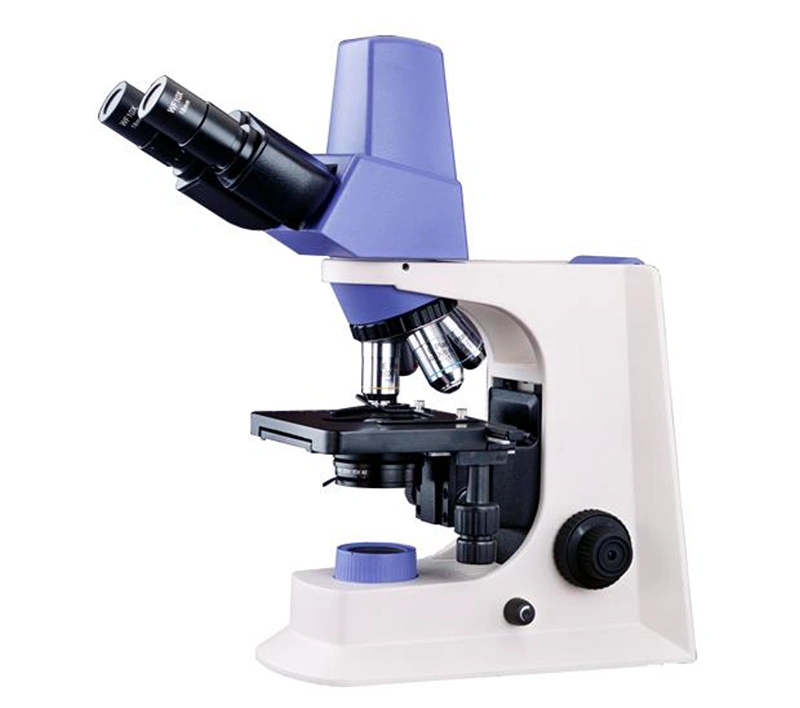
SmartE500
From US $588.00
1 / 1
Biological microscope is widely used to observe biological slices, biological cells, bacteria and living tissue culture, fluid precipitation observation and research, while observing other transparent or translucent objects and powder, fine particles and other objects.

Organism
1. the field of biology:Suitable for observing thinner biological samples, such as cell sections, tissue sections; slices; smears, etc. of fixed samples.

Stereo
1. Observation of animal and plant tissues: The stereomicroscope can clearly observe the detailed characteristics of animal and plant tissues, such as cellular structures, microbial forms, etc.
2. Pathological diagnosis: In pathological research, doctors can use the body vision microscope to observe and diagnose the symptoms and pathological changes of the disease, such as skin pathology research.
3.Surgical assistance: The high-resolution imaging capabilities of stereomicroscopes help doctors observe and analyze tissue samples more accurately during surgery, increasing the success rate of operations.
4. Electronic component inspection: In the electronic manufacturing industry, stereo microscopes are widely used for inspecting PCB boards, chips, and other microelectronic components, helping engineers to detect soldering defects, tiny cracks, or contaminants.
5. Metal Material Analysis: Researchers can use a stereomicroscope to observe the microstructure of metal surfaces, analyze issues such as corrosion, cracks, or material fatigue, and provide important data for materials science and engineering research.
2. medical field:Observing the morphology, structure, and various organelles within cells, such as human red blood cells and megakaryocytes.
3. other fields:Observe the microstructure of materials, such as grains, phase boundaries, etc.
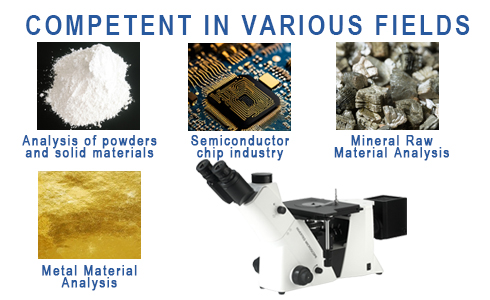
Metallographic examination
1.Study the microstructure and properties of materials, such as crystal structure, grain size, phase composition, microcracks, etc.
2. Analyze the microstructure of metallic materials, such as phase transformations, grain size, micro-cracks, alloy phase composition, etc.
3. Observe the grain size, microstructure, phase composition, etc. of ceramic materials.
4. Observe cell structures, tissue lesions, microbial morphology, etc.
5 Analyze the microstructure and lesions of human tissues and organs to assist in the diagnosis of diseases and the formulation of treatment plans. Observe and analyze the microstructure and performance of microelectronic devices.